Blue Grunge Texture Backgrounds: Add Raw Edge to Your Designs
There's a particular quality in a design that feels lived-in, authentic, and textured. It's the opposite of sterile, digital perfection. That's the core appeal of blue grunge texture backgrounds. These aren't just random splatters; they're visual stories of wear, time, and raw energy, all filtered through a versatile blue palette. Imagine the surface of a weathered wall, the faded ink on an old document, or the subtle grain of aged paper—these textures bring that tangible, historical depth to your screen-based work.
Understanding the Visual Language of Blue Grunge
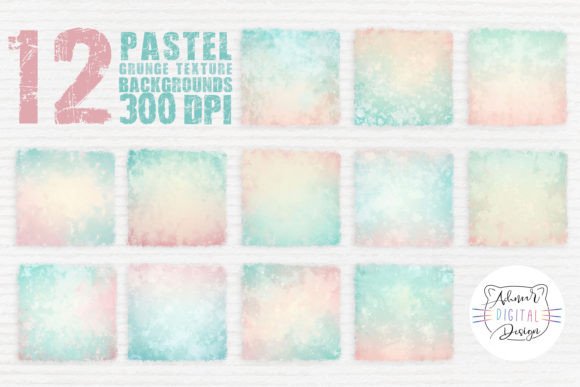
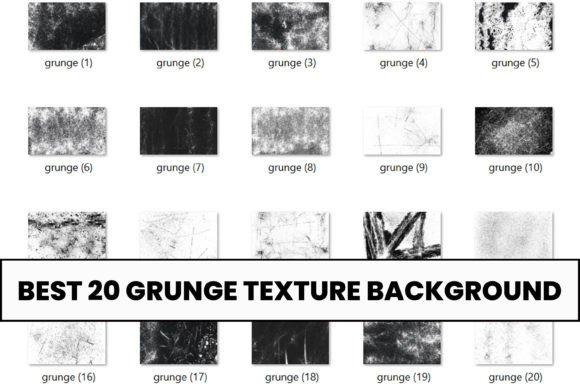
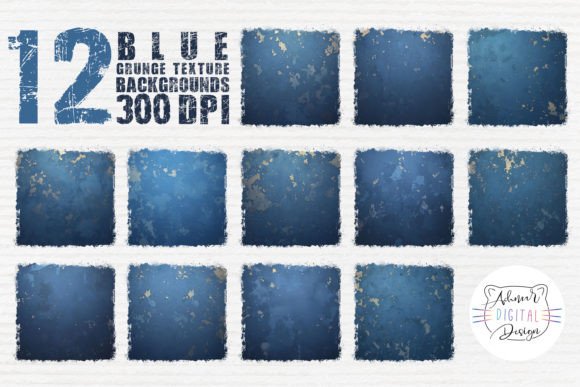
The personality of these backgrounds is a fascinating blend of contradiction. The blue base offers a sense of calm, trust, and professionalism, while the grunge overlay introduces chaos, energy, and a handcrafted feel. This combination creates a unique visual tension that is incredibly engaging. The textures themselves are rich with detail: subtle cracks, distressed edges, layered paint effects, and organic noise that prevents any area from looking flat or artificial. This isn't a simple filter; it's a complex, high-resolution surface that adds significant depth and character.
This style sits at a crossroads of modern typography and vintage design. It provides a perfect foundation for a wide range of typefaces. Pair it with a clean sans serif font for a contemporary tech or urban brand identity, and the texture adds warmth and prevents it from feeling cold. Use it with a classic serif font for editorial design or book covers, and it instantly adds a layer of historical gravitas. Even a flowing script font or handwritten font finds a compelling home here, as the rough background makes the elegance of the lettering stand out with more impact. The key is contrast—the texture makes your primary typography elements pop.
Practical Applications Across Creative Projects
The true value of a design asset like this is measured by its utility. Where do these blue grunge textures actually work best? The applications are broader than you might initially think.
- Digital Branding & Social Media: For entrepreneurs and small business owners, establishing a memorable brand identity is crucial. These textures are fantastic for social media graphics, Instagram stories, YouTube channel art, and website hero sections. They add a level of sophistication and uniqueness that stock imagery often lacks, helping your content stand out in a crowded feed.
- Web Design & UI: Used judiciously, a grunge texture can enhance a website's background, a sidebar, or a featured section. It adds visual interest without overwhelming the content. It's particularly effective for brands in creative industries, artisanal goods, music, or any field where a human touch is a selling point. Always test for readability over the texture.
- Print & Packaging Design: In the world of packaging design, texture sells. These backgrounds can be applied to product labels, box designs, or shopping bags to convey authenticity and quality. For editorial design, they make striking magazine covers, article headers, or chapter title pages. The 300 DPI resolution is critical here, ensuring crisp output for professional print.
- Personal & Hobbyist Projects: For crafters and hobbyists, the value is immense. Use them as backgrounds for digital scrapbooking, custom invitations, event posters, or even as a base for digital painting and photo manipulation. They provide a ready-made layer of complexity that can jumpstart a creative idea.
Making an Informed Choice for Your Workflow
Before you integrate any premium font or texture pack into your workflow, a little evaluation goes a long way. Here’s how to approach a collection like the 12-file Blue Grunge Texture Backgrounds set.
- Evaluate the File Quality: The mention of "high resolution at 300 DPI" is not just marketing speak. It's a practical specification. This means each JPEG is suitable for large-scale print projects. Download and zoom into the details. Does the texture hold up? Are there any visible compression artifacts? Quality assets save you time in post-production.
- Assess Variety and Cohesion: With 12 files, you need a balance. Are the textures too similar, or do they offer a useful range? You might need a subtle, light blue wash for a website background and a heavily distressed, darker blue for a poster. A good collection provides options within a consistent style family.
- Test with Your Typography: This is non-negotiable. Open a file and drop your project's primary typeface over it. Check the readability of both headlines and body copy. Does the texture clash with or complement your font's personality? Try a few font pairing tests—a bold display font for headers and a clean body font for text often works well.
- Understand the Licensing: The description is straightforward, but always confirm the commercial license. Can you use these in client work, products for sale, or merchandise? Knowing this upfront protects you and your clients, ensuring your commercial font and asset use is fully compliant.
Ultimately, the goal is to find assets that feel less like a shortcut and more like a collaborator. The right blue grunge texture doesn't just fill space; it contributes to the story you're trying to tell. It can influence the entire visual hierarchy of your design, guiding the viewer's eye and setting the emotional tone. By choosing high-quality, versatile textures, you're investing in a foundational element that can elevate countless projects, adding that coveted layer of depth and authenticity that resonates with audiences. It’s a practical step toward more professional and engaging creative work.