Distressed Cracked Texture Backgrounds: Raw Character for Modern Design
In a digital landscape saturated with sleek, polished perfection, there's a growing hunger for authenticity and raw, tangible character. This is where distressed cracked texture backgrounds come into play. They offer a visual shortcut to depth, history, and a sense of lived-in reality that clean vector graphics often struggle to convey. Imagine the sun-baked surface of parched earth, the weathered facade of an old building, or the intricate web of fractures on aged paint. These textures are more than just patterns; they are stories of time, pressure, and environment, captured in a digital format for creative professionals to harness.
Visual Character and Personality
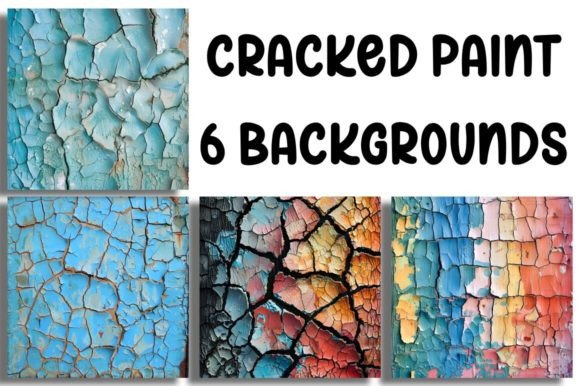
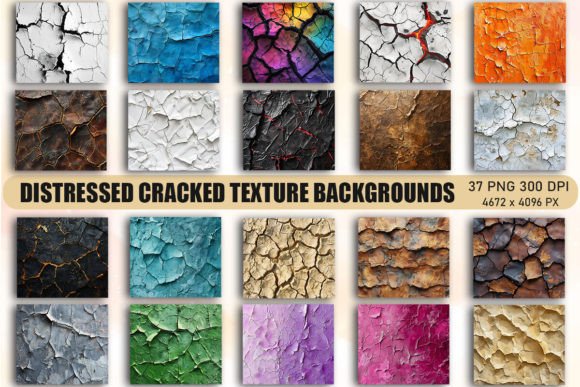
The core appeal of a distressed cracked texture lies in its organic irregularity. Unlike a repeating geometric pattern, no two cracks are identical. This inherent randomness lends an immediate sense of authenticity and movement to a design. The personality of these backgrounds is rugged, earthy, and sometimes even dramatic. A cracked earth texture evokes feelings of drought, endurance, and primal landscapes, while a fractured surface might suggest decay, industrial grit, or the passage of time on a man-made object. The color palette often leans towards muted, natural tones—think terracotta, slate grey, sandy beige, and deep charcoal—though they can be easily color-adjusted to fit a specific brand palette. This versatility makes them a powerful tool for adding visual weight and a distinct mood to any project.
Practical Applications Across Creative Fields
The utility of high-resolution distressed backgrounds extends far beyond a single discipline. For graphic designers and brand strategists, these textures are invaluable for creating layered, sophisticated compositions. They serve as a compelling backdrop for typography in logo design, especially for brands in outdoor apparel, artisanal goods, or vintage-inspired markets. In editorial design, a subtle cracked texture can add depth to magazine layouts or book covers without overpowering the main content. For packaging design, they can communicate a product's organic, handcrafted, or heritage qualities at a glance.
In the digital realm, web designers and content creators use these assets to break the monotony of flat UI design. A hero image with a distressed background immediately grabs attention and sets a specific tone. Social media managers and marketers can leverage these textures to create more engaging and memorable graphics that stand out in a fast-scrolling feed. The texture adds a layer of professionalism and visual interest to promotional banners, quote cards, and story backgrounds. For crafters, hobbyists, and small business owners creating their own materials, these backgrounds are a lifesaver. They elevate simple invitations, scrapbook pages, and print-on-demand products from amateur to polished, providing a ready-made foundation of style.
Influencing Perception and Engagement
Choosing to use a distressed cracked texture is a strategic design decision that directly influences how an audience perceives a message. It can affect visual hierarchy by grounding text and other elements, making them appear more substantial. For brand identity, consistency in using such a texture across touchpoints—from a website to business cards—can build recognition and convey a specific brand personality: rugged, authentic, or timeless. The key is ensuring the texture supports, rather than competes with, the core message. A heavily fractured surface might overwhelm delicate script fonts, while a subtle, weathered texture can enhance readability by providing a non-distracting, rich background for sans-serif or serif typefaces.
Working with the Asset: Practical Guidance
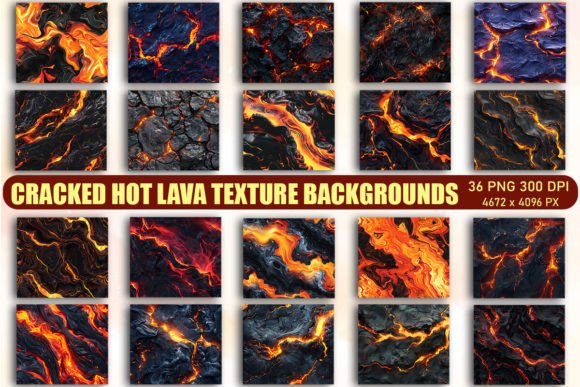
When integrating a premium set of distressed textures, like the collection featuring 37 high-resolution PNG files, practical considerations are paramount. First, evaluate the project fit. Does the brand or project's narrative align with the texture's personality? A tech startup's app interface likely wouldn't benefit, but a coffee roaster's packaging certainly would. Second, test font pairings. The raw nature of the background often pairs well with clean, modern typography to create a balanced contrast. A bold sans-serif or a classic serif font can sit beautifully on top, ensuring the text remains the focal point. Always check readability at various sizes, especially for body text on web designs.
Understand the technical specifications. These assets are large, high-DPI files (approx. 4672 x 4096 pixels at 300 DPI), which is excellent for print projects where clarity is crucial. They can be scaled down for web use without quality loss. Remember, they are raster-based (PNG), not vector (SVG), so they aren't suitable for projects requiring infinite scaling or layered cutting files. Always review the commercial licensing to ensure it covers your intended use, whether for personal projects or client work.
A Final Design Observation
The most effective use of a distressed texture is often the most restrained. Instead of covering an entire design, consider using it on a single element—a header bar, a photo frame, or a button—to create a focal point. Experiment with blending modes like Multiply or Overlay in your design software to integrate the texture seamlessly. The goal is to add a layer of tactile realism and emotional resonance, creating designs that feel grounded, authentic, and visually compelling in a way that purely digital, clean aesthetics cannot always achieve. These backgrounds are not just decorative; they are communicative tools that add a rich, unspoken narrative to your work.