Gold Grainy Texture Backgrounds: A Designer's Secret Weapon
There’s a particular quality that separates a good design from a great one. It’s often not about the boldest color or the fanciest font. It’s about depth, a subtle tactile quality that makes a digital image feel tangible. That’s the magic of a well-executed texture, and few are as versatile and evocative as a gold grainy texture. It’s a design asset that can instantly elevate your work, adding a layer of sophistication, vintage charm, or luxurious modernity.
The Allure of Grain and Gold
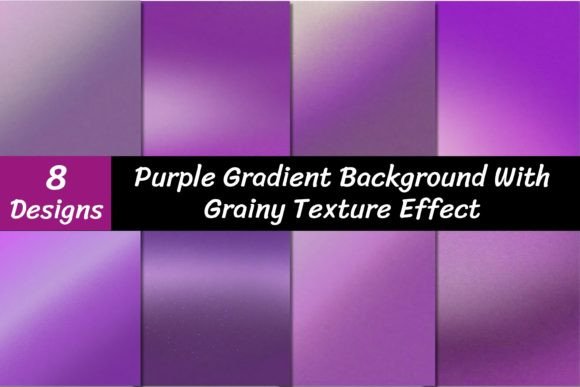
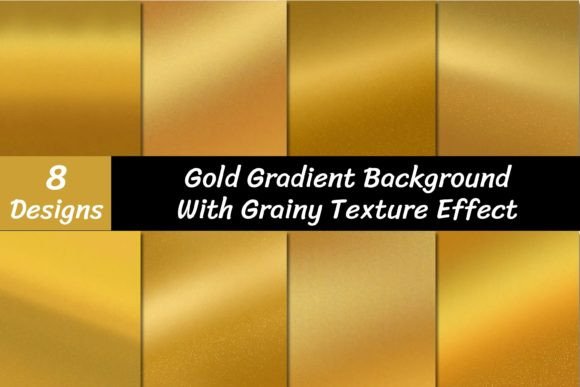
So, what exactly are we talking about? A gold gradient background with a grainy texture effect is more than just a yellowish image. It’s a digital file, typically a high-resolution JPEG, that combines a smooth metallic gradient—the kind you see on polished brass or brushed gold—with a subtle, noise-like grain overlay. This grain is the key. It breaks up the perfection of the gradient, mimicking the imperfections found in natural materials, vintage film, or textured paper. The result is a background that feels organic, warm, and rich with character.
The personality of this texture is its chameleon-like quality. Depending on the gradient’s direction and color intensity, it can feel industrial and gritty or soft and ethereal. A dark, warm gold grain can evoke the feel of an aged leather book or a sepia-toned photograph, perfect for projects with a historical or artisanal theme. A brighter, more luminous gold grain can suggest celebratory confetti, sun-drenched sand, or the delicate sparkle of mica, ideal for wedding invitations, holiday promotions, or beauty brand assets. This duality is what makes it such a powerful tool in a designer's toolkit.
Practical Applications for Every Creator
The real value of the Gold Grainy Texture Backgrounds pack lies in its sheer utility. This isn’t a one-trick pony. Its applications span nearly every creative field, solving common design challenges with elegance.
For brand identity and logo design, using this texture as a subtle fill for a logotype or a brand mark can instantly communicate premium quality, craftsmanship, and timelessness. Think of a coffee roaster’s logo, a boutique jewelry brand, or a high-end bakery. The grain adds a human touch that a flat, digital color cannot.
In marketing and social media graphics, attention is everything. A gold gradient background with grainy texture stops the scroll. Use it as a base for sale announcements, quote graphics, or podcast covers. The texture ensures text placed over it remains highly readable, especially when using bold, clean sans serif fonts. It provides a dynamic, eye-catching backdrop without overwhelming the message.
Publishers and bloggers will find it invaluable for editorial design. It can serve as a stunning header image for an article on luxury travel, vintage fashion, or gourmet food. For packaging design, imagine this texture on the sleeve of a candle, the label of a hot sauce bottle, or the belly band of a chocolate box. It immediately signals a product of substance and care.
Even for personal projects, the uses are endless. Create beautiful digital papers for scrapbooking, design unique greeting cards, or use it as a rich background for your desktop or phone wallpaper. The included files, at 3600x3600 pixels and 300 DPI, are sized for serious print work, ensuring your creations look sharp on everything from a business card to a poster.
Making It Work: Pairing and Readability
Choosing the right background is only half the battle. Using it effectively is what separates amateur work from professional polish. Here’s how to get the most out of your gold grainy texture.
Font Pairing is Crucial. The texture has a lot of visual energy, so your typography needs to anchor it. A strong, geometric sans serif font like Montserrat or Futura provides a clean, modern contrast. For a more classic, editorial feel, pair it with a sturdy serif font like Garamond or Playfair Display. Avoid overly ornate script fonts or delicate handwritten fonts for body text, as they can get lost in the grain. Instead, use a bold script sparingly for a headline or accent word.
Mastering Visual Hierarchy. Use the texture to guide the viewer’s eye. Place your most important text or graphic element where the gold gradient is smoothest or lightest. You can also use a semi-transparent white or dark colored shape (a “knockout” or “container”) behind your text to guarantee readability and create a clear focal point. This technique allows you to maintain the texture’s beauty while ensuring your message is front and center.
Evaluate the Project Fit. Ask yourself: does this texture support the story I’m telling? It’s perfect for themes of luxury, celebration, vintage, warmth, and craftsmanship. It might feel out of place for a brand that wants to project ultra-minimalist, cold, or purely digital aesthetics. Test it by placing your logo or key text over it. Does it enhance or distract? The best design assets feel intentional, not incidental.
A Note on the Files Themselves
This collection provides eight distinct digital papers, giving you a range of gold tones and grain densities to work with. The JPEG format is universally compatible, and the high-resolution 300 DPI quality is essential for any project that might go to print. Remember, these files are delivered in a compressed ZIP folder. You’ll need a utility like WinZip or WinRAR to extract them before use. This is a standard practice for distributing large, high-quality design assets efficiently.
Ultimately, a gold grainy texture background is a versatile, professional-grade asset. It’s a tool for adding depth, emotion, and a tangible sense of quality to your digital and print projects. By understanding its personality and applying it with thoughtful typography and layout, you can transform a simple design into something truly memorable. Download the gold gradient background with grainy texture effect now and start adding that touch of tangible luxury to your work.