Mosaic Animals Backgrounds for Covers: A Creative Design Asset
When you’re publishing a coloring book or creating a digital download, the cover is your first—and often only—chance to make an impression. A flat, generic design won’t cut it in a crowded marketplace. You need something that immediately signals quality, creativity, and the promise of a fulfilling experience inside. This is where the right design assets become invaluable. A resource like our Mosaic Animals Backgrounds for Covers isn't just a collection of images; it's a toolkit for building a professional, engaging brand presence from the very first glance.
More Than Just a Pretty Picture
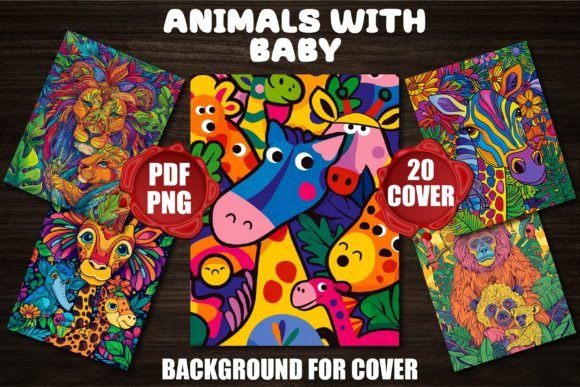
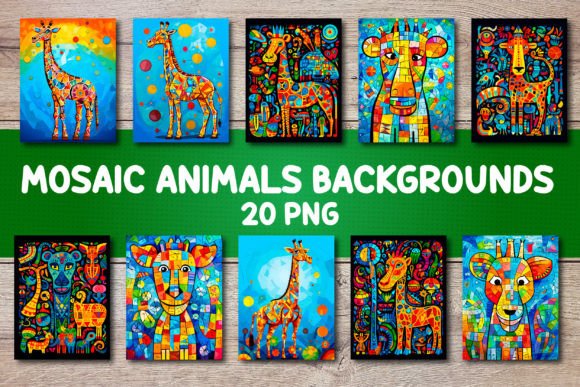
Let's break down what makes these backgrounds a practical asset. At its core, the collection offers 20 unique PNG files, each featuring an animal rendered in a detailed, mosaic-inspired style. The visual characteristics are specific: intricate, fragmented patterns that form cohesive shapes, vibrant color palettes that pop on screen and in print, and a consistent level of detail that speaks to quality. The personality is one of mindful creativity—calm yet engaging, complex but not chaotic. This style bridges the gap between playful and sophisticated, making it versatile for audiences ranging from children to adults seeking stress relief.
The appeal lies in its direct application. These aren't abstract textures you have to manipulate extensively. Each file is essentially a pre-designed, high-resolution (300 DPI) cover background ready for use. For a busy entrepreneur or small publisher, this saves hours of work. You can pair a majestic lion or a graceful dolphin background with your title typography and have a polished cover prototype in minutes. The consistency across the set also allows for series branding, which is crucial for building recognition in a niche like coloring books.
Strategic Applications for Real Projects
Understanding where an asset works best is key to using it effectively. For Amazon KDP publishers, these backgrounds solve a specific problem: creating a cover that meets technical specs (like 300 DPI for print) while also standing out in a thumbnail-sized search result. The intricate mosaic patterns maintain their visual interest even when scaled down, which is a significant advantage in digital marketplaces.
Beyond the primary use as a book cover, consider these practical applications:
- Digital Product Branding: Use a consistent animal mosaic as the central motif for your entire coloring book series. This creates a cohesive brand identity on your seller page, social media, and any promotional graphics.
- Social Media Marketing: Create engaging posts by using a segment of the mosaic as a background for quotes, tips, or behind-the-scenes content about your creative process. The detailed pattern encourages longer viewing times.
- Printable Digital Downloads: If you sell standalone coloring pages or activity sheets, these backgrounds can be adapted for promotional materials or even as decorative elements within a digital planner or journal.
- Editorial and Web Design: For bloggers or content creators in the wellness, art therapy, or parenting space, these images can serve as compelling header graphics or featured images for articles about mindfulness and creativity.
Guidance for Seamless Integration
Having a great asset is one thing; using it well is another. Here’s how to approach integrating these backgrounds into your workflow thoughtfully.
Evaluate Project Fit First. Before you download, be honest about your project's needs. Is your target audience looking for hyper-realistic art, or does the stylized, pattern-based aesthetic of mosaic art align with their expectations? For themes of mindfulness, nature, and detailed coloring, the fit is natural. For a gritty urban thriller cover, it would be a mismatch.
Typography is Your Co-Star. The background does the heavy lifting for visual interest, so your typography needs to complement, not compete. A clean, bold sans serif font often works best for titles, providing clear hierarchy against the complex pattern. Avoid overly ornate script fonts or handwritten fonts for the main title, as they can get lost. Use them sparingly for subtitles or author names if needed. This is a classic font pairing principle: balance a display font with a simpler serif font or sans serif font for body text if your cover includes descriptions.
Test for Readability. Always do a quick test. Place your title text over the background at the size it will appear as a thumbnail. Can you read it in three seconds? If not, consider adding a subtle semi-transparent shape (like a rounded rectangle or banner) behind your text to increase contrast. This maintains the background's beauty while ensuring your message is clear—a fundamental aspect of effective visual hierarchy.
Consider the Commercial License. The provided license for these assets is typically for end products. This means you can use them on book covers you sell, products you create, and marketing materials you design for your business. It's crucial to understand that you generally cannot resell the raw PNG files themselves as a standalone product. This distinction is vital for maintaining professionalism and respecting the asset's terms.
Ultimately, the goal is to use design assets like these to enhance your brand identity and streamline your creative process. By choosing high-quality, thematic backgrounds and applying them with thoughtful design principles, you elevate your project from a simple file to a professional product that resonates with your audience. The vibrant, therapeutic essence of these mosaic animals can become a recognizable cornerstone of your creative output.