Orange and Green Watercolor Backgrounds: A Designer's Guide
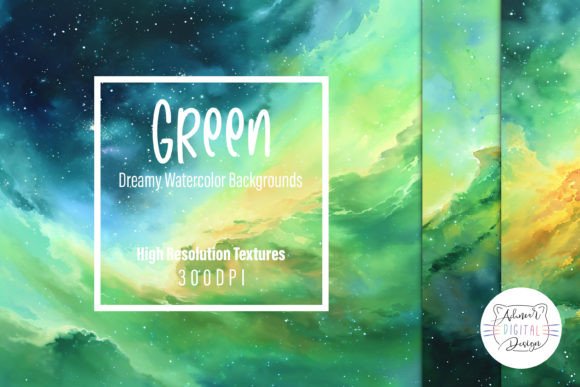
When you're building a brand or crafting a visual project, the background isn't just empty space—it's the foundation that sets the entire mood. Orange and green watercolor backgrounds bring a specific kind of energy: vibrant yet organic, playful yet sophisticated. This particular color combination leans into nature-inspired warmth and freshness, making it a versatile asset for creators who want their work to feel both lively and grounded. The watercolor texture adds an artisanal, handcrafted quality that digital-only designs often lack, giving your projects an immediate sense of authenticity and personality.
Understanding the Visual Character
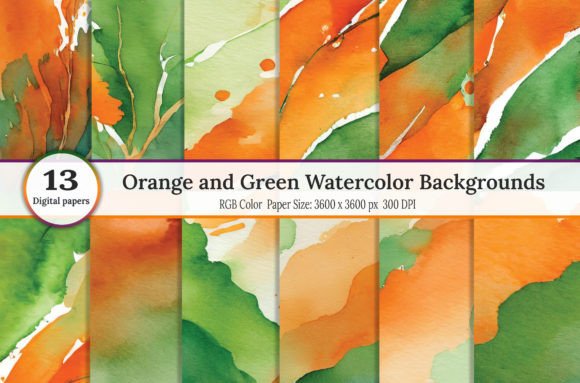
These backgrounds aren't just random color splashes. Orange evokes enthusiasm, creativity, and warmth, while green communicates growth, balance, and renewal. Together, they create a dynamic contrast that catches the eye without overwhelming the viewer. The watercolor effect softens the edges, introduces subtle gradients, and adds a layer of organic imperfection that feels human. This makes them ideal for projects where you want to convey approachability and artistic flair rather than sterile precision. Think of them as a tool for adding texture and depth, much like choosing between a serif font for tradition or a sans serif font for modernity—the background choice communicates before a single word is read.
Where These Backgrounds Truly Shine
The practical applications for orange and green watercolor backgrounds are surprisingly broad. For digital design, they work beautifully as website hero images, blog post headers, or social media graphics that need to stop a scroll. In editorial design, they can elevate magazine layouts, book covers, or newsletter templates, especially when paired with clean typography. For packaging design, they lend a natural, eco-friendly aesthetic perfect for products in the beauty, wellness, or artisan food spaces. Small business owners find them invaluable for creating cohesive brand identity materials—from business cards to thank-you inserts—that feel professionally designed without the custom price tag.
For crafters and hobbyists, these backgrounds open up a world of possibilities. Use them for birthday party invitations, custom stationery, or scrapbooking layouts. They're equally effective for printed items like labels, magnets, or even nail wraps. The key is that they provide a ready-made, professional-grade canvas. Instead of struggling with blank space, you start with a textured, visually interesting base that immediately elevates your design. This is the value of a good design asset: it saves time while raising the quality floor of your work.
Practical Integration into Your Workflow
Getting the most out of these files requires a bit of technical awareness. The set includes 13 high-resolution JPEG files at 3600x3600 pixels and 300 DPI, which is print-ready quality. This size is perfect for most projects, from small labels to larger posters. For software, Adobe Photoshop or Photoshop Elements are straightforward choices. You'll need basic knowledge of working with layers—this is non-negotiable. The real power comes from placing your text, graphics, or other elements on separate layers above the background. This allows you to adjust opacity, blend modes, and positioning without destroying the original file.
A note for Lightroom users: while Lightroom is excellent for photo editing, it's not inherently a layered design program. To use these backgrounds effectively, you'll need a plugin that supports layers, or you may find it more efficient to do your layout work in Photoshop or another dedicated graphic design tool first. This isn't a limitation of the backgrounds themselves, but a practical consideration for your workflow. Similarly, while Paint Shop Pro is capable, always ensure your version supports standard layer operations for the smoothest experience.
Making Smart Design Choices
Choosing when to use an orange and green watercolor background comes down to context and audience. It's a strong choice for brands targeting a demographic that values nature, creativity, or a relaxed yet professional vibe. It might be less suitable for ultra-corporate or minimalist tech branding where a stark, solid color or geometric pattern would be more appropriate. Always test your background with your actual content. Place your logo, headline text, and key graphics over it. Does the text remain readable? Does the background compete with or complement your focal points?
Readability is paramount. If you're overlaying dark text, you might need to add a semi-transparent shape or a subtle vignette to create contrast. For lighter text, ensure the background's mid-tones don't wash it out. This is where font pairing matters. A bold, clean display font for headlines might work well against the organic texture, while a simple, legible body copy font is essential for paragraphs. The background should support your typography, not fight it. Think of it as part of your overall visual hierarchy.
From a commercial standpoint, these backgrounds are licensed for both personal and commercial use, which is a significant advantage. This means you can use them in client projects, for products you sell, and in marketing materials without worrying about additional fees. This flexibility makes them a practical commercial font and asset for freelancers and small agencies. When building a library of design assets, having versatile, licensed elements like this saves time and legal headaches down the road.
Elevating Your Creative Output
Ultimately, orange and green watercolor backgrounds are about adding a layer of crafted sophistication to your projects. They bridge the gap between digital precision and handmade warmth. Whether you're designing a wedding invitation suite, a social media campaign for a local café, or the packaging for a new skincare line, they provide a ready-made mood. They influence brand perception by making a project feel more curated and intentional. In a crowded digital landscape, that tactile, artisanal quality can be a differentiator that helps your work—and your clients' brands—stand out and be remembered.
The best approach is to download the set, open a few files, and experiment. See how they interact with different color palettes and typefaces. Use them for a mock-up of a real project you have in mind. You'll quickly discover their strengths and limitations within your specific context. This kind of hands-on testing is how you move from owning an asset to truly leveraging it. Good design is often about choosing the right elements and knowing how to combine them. A high-quality background set like this gives you a powerful starting point to do exactly that.